

Why Looking Beyond Body Weight Can Unlock Smarter, More Sustainable Results
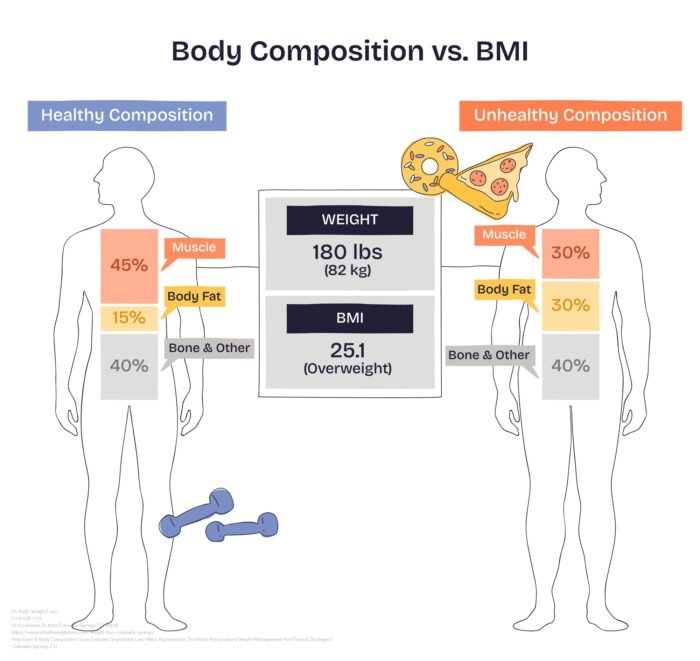
The scale has been the go-to measure of progress for decades, but it rarely tells the full story. Two people can weigh the same and have dramatically different health profiles, metabolic health risks, and weight management needs. That’s why many individuals seeking body composition scans, are shifting their focus from body weight alone to the deeper insights revealed through advanced assessments.
At Dr. Kells’ Weight Loss, understanding what drives long-term success means looking beneath the surface. Through body composition analysis and personalized weight loss programs, clients gain valuable health insights that support informed decisions throughout their fitness journey.
Predictive metrics derived from body composition assessments—including visceral fat, lean muscle mass, body fat distribution, resting metabolic rate, and Bone Mineral Density—can help guide personalized strategies that improve metabolic health, preserve muscle, and support sustainable weight management.
How Segmental Lean Analysis Reveals Hidden Imbalances
One of the most valuable components of modern body composition assessments is segmental lean analysis. Rather than evaluating the body as a single unit, this method examines the distribution of lean muscle mass across different regions.
Regional body composition data can reveal asymmetries between the left and right sides of the body or between the upper and lower extremities. These imbalances often develop gradually through repetitive movements, sedentary lifestyles, previous injuries, or exercise habits that overemphasize certain muscle groups.
For individuals pursuing health and fitness goals, identifying these discrepancies provides an opportunity to improve muscle development while reducing strain on vulnerable areas. Over time, correcting asymmetries can support better movement quality, enhance performance tracking, and reduce the likelihood of setbacks.
People often ask whether segmental lean analysis matters if they’re trying to lose weight. The answer is yes. Preserving lean muscle mass is critical for long-term success because muscle tissue significantly influences energy expenditure and metabolic function.
Comparing Assessment Technologies: Which One Provides the Deepest Insights?
Several technologies assess body composition, yet they differ significantly in detail and accuracy.
Medical-grade DEXA remains among the most respected approaches available today. Using dual-energy x-ray absorptiometry (DEXA) technology, DEXA scans provide clinical-grade precision in measuring body fat percentage, bone mineral density, bone mineral content, lean tissue, and body fat distribution.
According to information published by the National Center for Biotechnology Information, DEXA has become a trusted tool for evaluating bone density and body composition because of its accuracy and minimal radiation exposure.
Other methods include bioelectrical impedance analysis, which estimates body composition through electrical conductivity. While convenient, its results may fluctuate based on hydration status and total body water levels.
Emerging technologies such as 3D body-scanning systems provide visual representations of physical changes. However, they may not provide the same level of metabolic information as DEXA assessments.
Do You Want a Body Composition Scan?
Contact Dr. Kells’ Weight Loss today to schedule your consultation.
The Metrics that Predict More Than Weight Loss Success
Body composition analysis provides a wealth of information beyond scale readings.
Body fat percentage remains one of the most recognized indicators because it reflects the proportion of Fat Mass relative to overall body weight. Elevated body fat can contribute to diminished metabolic health even when Body Mass Index appears normal.
Visceral fat deserves special attention. Unlike subcutaneous fat, visceral adipose tissue surrounds internal organs and has been linked to increased risks affecting cardiovascular health and other metabolic concerns.
Fat-free mass measurements provide insight into the amount of lean tissue present throughout the body. Maintaining lean muscle mass supports metabolic efficiency and may facilitate healthier progress over time during weight loss efforts.
Body fat distribution patterns further enhance understanding of risk profiles, allowing healthcare providers to design more individualized strategies.
Why Body Composition Scan Can Personalize Weight Management
Personalization represents one of the greatest advantages of services for body composition scan.
A comprehensive body composition test allows healthcare providers to move beyond generic recommendations. Instead of relying solely on circumference measurements or Body Mass Index, professionals can evaluate regional body composition and identify priorities unique to each individual.
Someone with lower muscle mass may require greater emphasis on muscle gain and resistance training. Another individual with elevated visceral fat may benefit from interventions targeting metabolic health through structured lifestyle modifications.
At Dr. Kells’ Weight Loss, these insights support individualized programming that aligns with both short-term objectives and long-term wellness goals.
The Overlooked Relationship Between Muscle Mass and Metabolic Health
Many people pursuing medical weight loss focus exclusively on reducing body fat. Yet lean muscle mass may be equally important when designing sustainable strategies.
Muscle tissue requires energy even at rest. Individuals with greater muscle mass often demonstrate improved metabolic health because they maintain higher energy expenditure throughout the day.
Combining body composition assessments with an RMR test can provide an even deeper understanding. Resting metabolic evaluations estimate caloric needs by examining baseline energy requirements.
Understanding these variables allows providers to create personalized nutritional recommendations that support fat reduction while protecting lean tissue. This balance often proves essential for maintaining results over time.
For those seeking long-term change, muscle preservation should remain a central priority rather than an afterthought.
How Predictive Metrics Shape Fitness Strategies Over Time
The value of body composition assessments extends beyond initial evaluations. They serve as powerful tools for tracking Progress Over Time.
Changes in body fat percentage, muscle development, and visceral fat provide objective evidence of adaptation. In many cases, individuals experience meaningful improvements even when scale weight remains relatively stable.
VO2 Max assessments further complement body composition findings by measuring cardio fitness level and oxygen utilization efficiency. Improved aerobic capacity often correlates with enhanced health and fitness outcomes.
Performance tracking through repeated assessments empowers individuals to refine exercise routines, adjust nutrition strategies, and remain motivated throughout their fitness journey.
This shift from reactive decision-making to data-driven planning creates greater confidence and consistency.
Hidden Factors that Influence Long-Term Outcomes
Several less-discussed variables can affect body composition and overall wellness.
Food Sensitivity patterns may influence energy levels and dietary adherence. Functional medicine perspectives increasingly recognize the value of addressing these factors within broader wellness strategies.
Physician order requirements and clinical oversight ensure that appropriate diagnostic facilities perform medical imaging evaluations in accordance with established standards.
Bone health considerations also deserve attention. Bone mineral density changes may occur gradually and without obvious symptoms. Early identification through appropriate assessments supports preventive action and informed recommendations.
Even emerging metrics such as liver fat analysis continue expanding our understanding of whole-body wellness.
The future of personalized care lies in connecting these insights rather than evaluating them independently.
Why Choosing Dr. Kells’ Weight Loss is the Smart Choice
We at Dr. Kells’ Weight Loss provide the best solutions to our customers because we understand that lasting transformation requires more than monitoring the scale. Our approach focuses on uncovering the factors that truly influence weight management, including body composition, metabolic health and lifestyle habits.
We proudly showcase personalized weight loss programs designed to support healthy progress while preserving lean muscle mass and improving overall wellness. Our supportive team provides evidence-based guidance that empowers every client to make informed choices throughout their journey.
If you’re ready to gain a deeper understanding of your health and create a strategy tailored specifically to your needs, contact Dr. Kells’ Weight Loss today. The path toward sustainable results starts with a body composition scan.
Do You Want a Body Composition Scan?
Contact Dr. Kells’ Weight Loss today to schedule your consultation.